
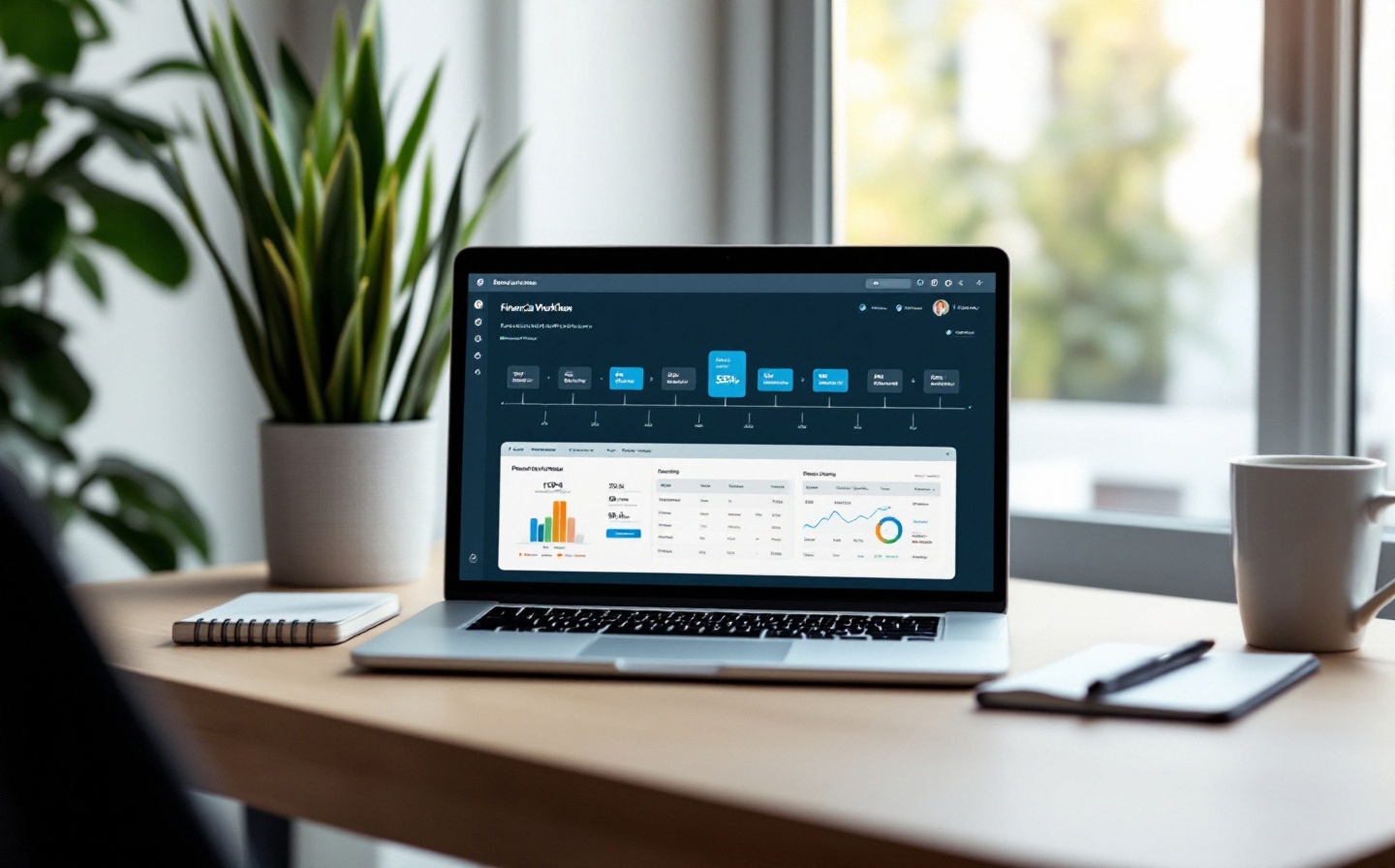
AI Monthly Operations Close for Small Businesses
Prepare an AI monthly operations close with human review. Tessera Founder offers managed Hermes on Telegram for a flat $55 USD per month.
How to Prepare the Monthly Operational Close of a Small Business with AI
The monthly operational close with AI gives you a clear picture before the end-of-month meeting: which incidents are still open, which decisions are waiting, which renewals are approaching, which collections need follow-up, which risks have changed, and what the team learned. The AI prepares an organized draft; the founder reviews, prioritizes, and decides.
This is an operational close, not an accounting one. Its purpose is to prevent the company from starting the next month with information scattered across messages, notes, and conversations. The useful output is a short list, with context, an owner, and a next step for each important matter.
Define What the Close Must Produce
Before asking the AI for help, decide which questions the close must answer. A small business can start from six blocks: incidents, open decisions, renewals, commercial follow-ups on pending collections, risks, and learnings. Not all of them need to carry the same weight.
Write a simple definition for each block. An incident is a problem that affected a delivery, a client, or the team’s capacity. An open decision is a choice that requires a specific person before a deadline. A risk is a situation that is not yet a problem but deserves monitoring.
Establish an exit criterion: every item in the report must include a short description, the source or context, a proposed owner, a priority that a person can correct, and the next step. If any of those fields is missing, the item is not ready for review.
Gather the Material Without Asking the AI to Decide
The work starts by collecting the materials the team already uses: meeting notes, Telegram messages, incident logs, task lists, client conversations, and the renewals calendar. Select what allows you to answer what happened, what is still pending, and who needs to act.
State the period under review and the context of each source. If a note refers to an already resolved matter, flag it. If a message expresses an opinion, do not present it as a fact.
A good prompt is specific: “Group these notes into incidents, open decisions, renewals, commercial follow-ups, risks, and learnings. Keep the original links or references. Flag anything without an owner or a date. Do not make decisions or draft commitments.” This boundary makes the draft useful for review, not a false automation.
Prepare an Incident List That Can Be Prioritized
Incidents get lost when each one stays in the channel where it appeared. Ask the AI to gather them into a single list and distinguish between resolved, in progress, and unresolved. For each one, request a sentence on the operational impact, the last known update, and the person who can confirm the status.
Priority should not be decided by a model alone. The founder or the responsible person can apply a simple scale, such as high, medium, and low, after reviewing the context. An incident may look minor in an isolated message yet affect an important renewal or a commitment to a client.
During the close meeting, remove duplicates, clarify poorly described cases, and convert only the relevant incidents into actions. The rest can be documented as resolved or under observation.
Surface Open Decisions
An open decision is not a pending task. It is a matter that requires a choice: accepting a scope change, prioritizing an improvement, responding to a service exception, or deciding who takes ownership of a client relationship. Mixing decisions with tasks hides the real blockers.
The AI can identify phrases that express a wait, a doubt, or an approval request and group them into a block. The founder then confirms whether the decision is still open, who can make it, and what information is missing. If there is no person with authority, the close reveals a responsibility gap that should be resolved before the next month.
For each decision, record the options considered, the operational cost of delaying it, and the review date. An honest description of the uncertainty is better than invented precision.
Review Renewals and Commercial Follow-Ups
Renewals and pending collections belong in the operational close when they require a conversation or a commercial follow-up. The point is not to settle terms. The point is to know which client needs a response, which relationship may go cold, and which person must make the next contact.
Ask the AI to prepare a list of upcoming renewals with the known date, the last contact, the commercial owner, and any pending questions. For collections, limit the report to the follow-ups the team must carry out: who should reach out, what context they need, and when to check whether there was a response.
This block prevents important conversations from depending on memory. If the context is insufficient, the report must say so clearly and assign the task of completing it, not fill in the gaps.
Evaluate Risks and Signals of Change
The monthly operational close can organize signals that deserve attention: a repeated incident, a delayed decision, a client without a response, or a renewal without an owner. The AI can detect repetitions in the notes provided and summarize which facts support each signal. It cannot assert that something will happen or replace the team’s assessment.
For each risk, ask what could happen, what evidence exists, who is monitoring the signal, and what action will be taken if it changes. The goal is not to build a complex matrix, but to keep visible the matters that could affect the next month.
Distinguish between risk, problem, and learning. A risk still needs monitoring. A problem already requires a response. A learning describes a pattern the team wants to keep or change. This separation reduces unnecessary alarms and turns the close into an improvement tool.
SCORE’s small business guides support keeping risk tracking simple and action-oriented rather than building elaborate scoring systems.
Turn Scattered Notes into Useful Learnings
The last block captures what the team does not want to lose: a way of resolving an incident, a frequent client question, a dependency that delayed a delivery, or a criterion that made a decision easier. The AI can transform repeated notes into a draft of learnings, with references to the facts they come from.
The founder reviews that draft and decides whether the learning should become an operational guideline, an improvement task, or simply a note for the next close. Not everything that happened deserves a new rule.
Keep learnings concrete. “Improve communication” does not guide anyone. “Confirm the owner of a renewal when the period opens” offers a change that can be verified at the next close.
A Practical Sequence for the Meeting
Use this sequence every month. First, gather the sources and ask the AI for a draft covering the six blocks. Second, review the incidents and remove duplicates. Third, confirm which decisions are still open and who can resolve them. Fourth, review renewals and commercial follow-ups with the responsible person. Fifth, identify the risks that need monitoring. Finally, agree on the learnings and the format of the final summary.
The summary does not need to be long. It must allow any owner to understand the operational status without re-reading all the month’s messages. One page with clear priorities is usually more valuable than an extensive document that nobody updates.
How to Use Tessera Founder in This Workflow
Tessera Founder offers managed Hermes on Telegram with a flat rate. It can serve as a workspace for preparing a close draft from the materials the team chooses to share, always with human review before prioritizing, communicating, or deciding.
Before sharing operational information, define which material is appropriate to include and which people should review it. The assistant’s value lies in organizing the work and surfacing visible questions, not in acting without supervision.
To implement this workflow, you can consult the API documentation to understand how requests are structured, or review the available models to choose the right processing capacity. If you need to integrate this process with other systems, the migration from OpenAI guide helps you adapt your existing workflows. You can also browse the blog articles for more practical usage examples.
FAQ
What does an operational AI monthly close include?
It includes a draft of incidents, open decisions, renewals, commercial follow-ups on pending collections, risks, owners, and learnings. Leadership reviews the content and makes the decisions.
Does the AI decide priorities?
No. It can propose a grouping or flag repeated items, but the founder and the owners confirm the priority, the next step, and any commitment.
How do you prevent the report from inventing information?
Keep the reference for each note or message, ask that uncertainties be flagged as uncertainties, and review each item before using it in a meeting or communication.
What should a small business do if an owner is missing?
The close must show it as an open decision. Assigning the owner is the responsibility of a person with authority, not the AI.
Can Tessera Founder prepare this draft?
Yes. Managed Hermes on Telegram can help organize the materials the team shares and prepare a draft for review. Founder is available with a flat rate and servers in Europe.